
PLCs.ai is heading to Automate 2026, and skipping the booth.
We do not have a booth and we are not chasing badge scans. We want to talk to the engineers and plant managers living downtime every day.
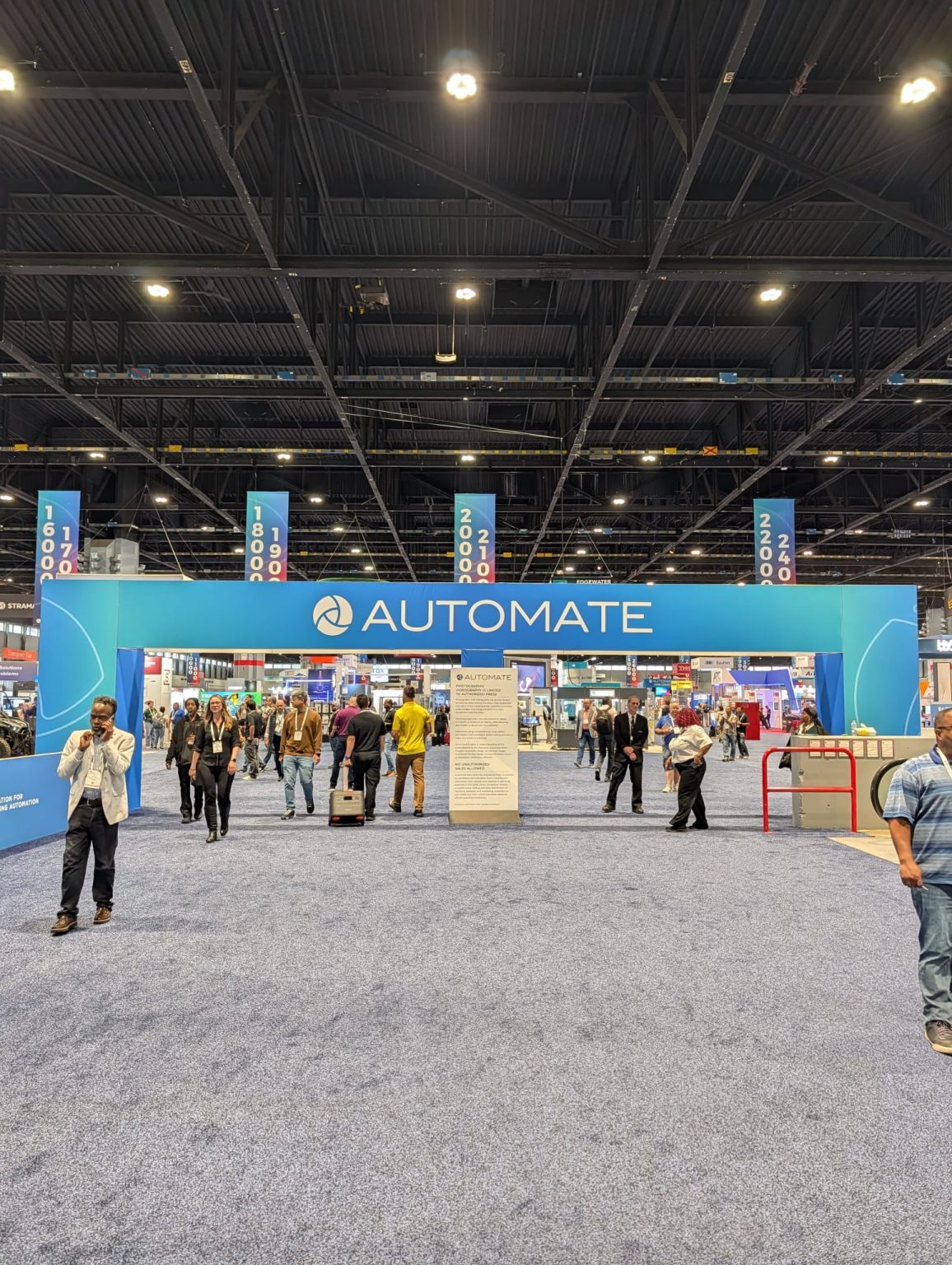
We are heading to Automate 2026 in Chicago. We do not have a booth. We are not chasing badge scans.
Who we actually want to talk to
The engineer standing in front of a stopped line, two hours into an outage, waiting for the one person who knows the PLC code.
The plant manager watching thousands of dollars disappear every hour while production sits idle.
This is not a staffing problem. It is a knowledge accessibility problem. That is exactly why we built PLCs.ai.
What we will show you
If you are coming to Automate and dealing with downtime, troubleshooting delays, or looking to generate and modify PLC code faster and with more confidence, send us a message.
We will show you the platform live. No deck. No pitch. Just real PLC code and real problems.
More from the blog
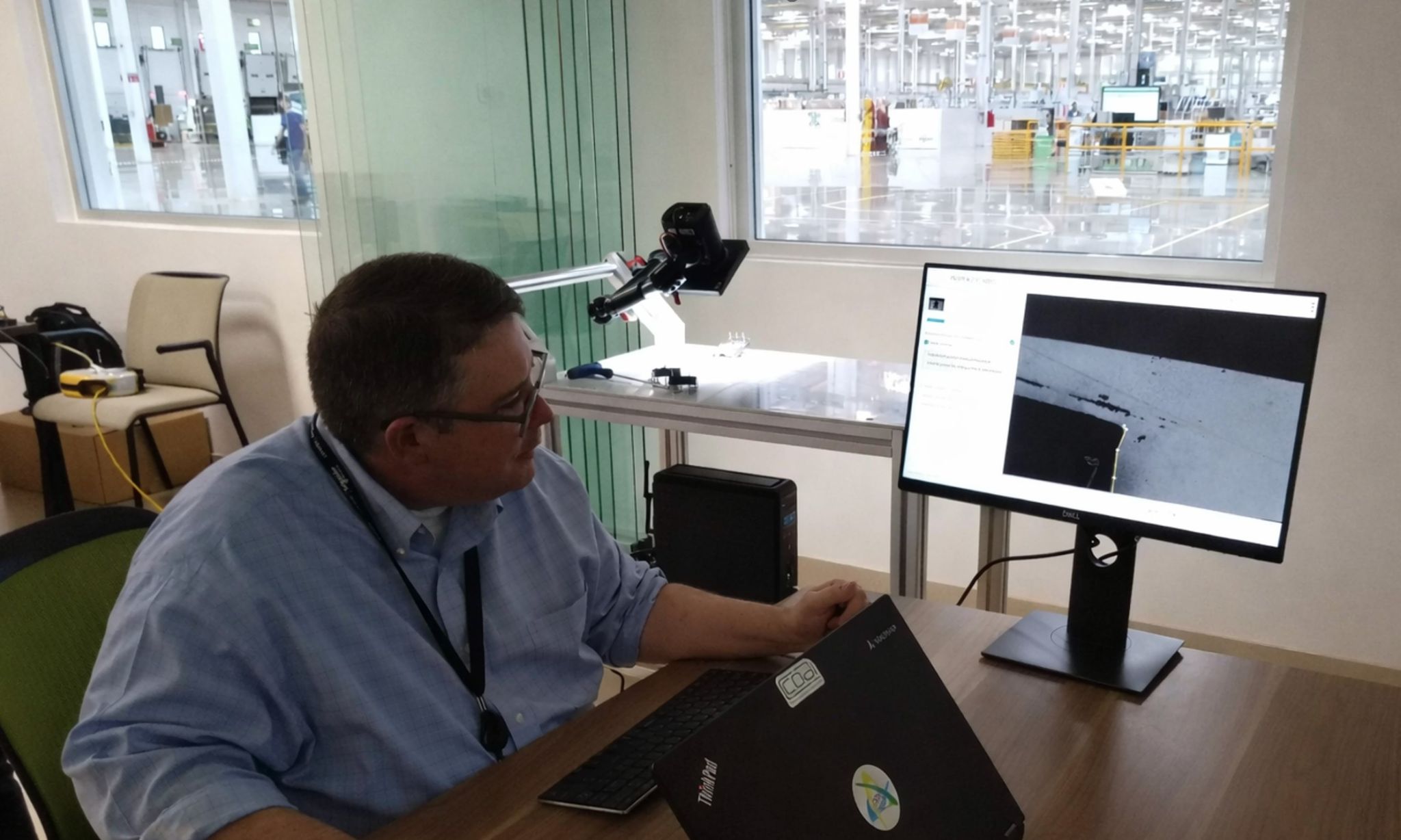
PLCs.ai welcomes Brian Tessier as an advisor to stay grounded in real manufacturing.
Brian Tessier, former VP Innovation at Schneider Electric, joins PLCs.ai as an advisor, bringing deep experience from the production floor to the executive suite.
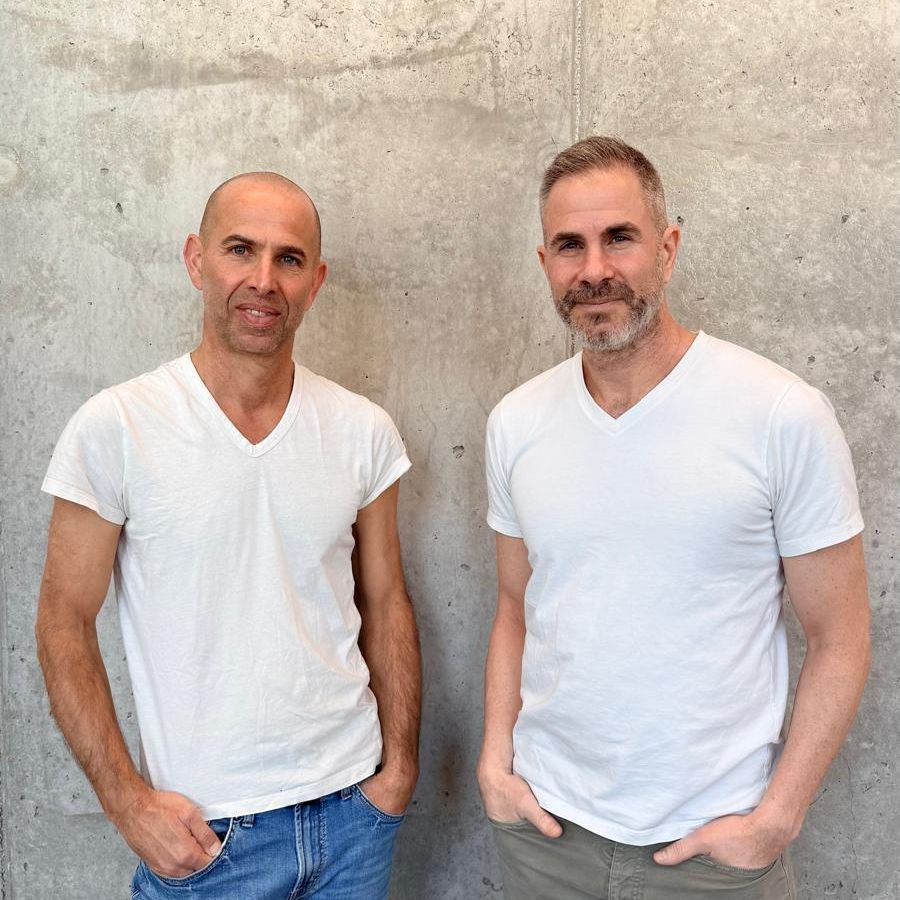
PLCs.ai raises a $4M seed round to make PLC code universally accessible.
The round was led by Avila VC, with participation from Ocean Azul Partners, Sugar Free Capital, and ICI Fund.
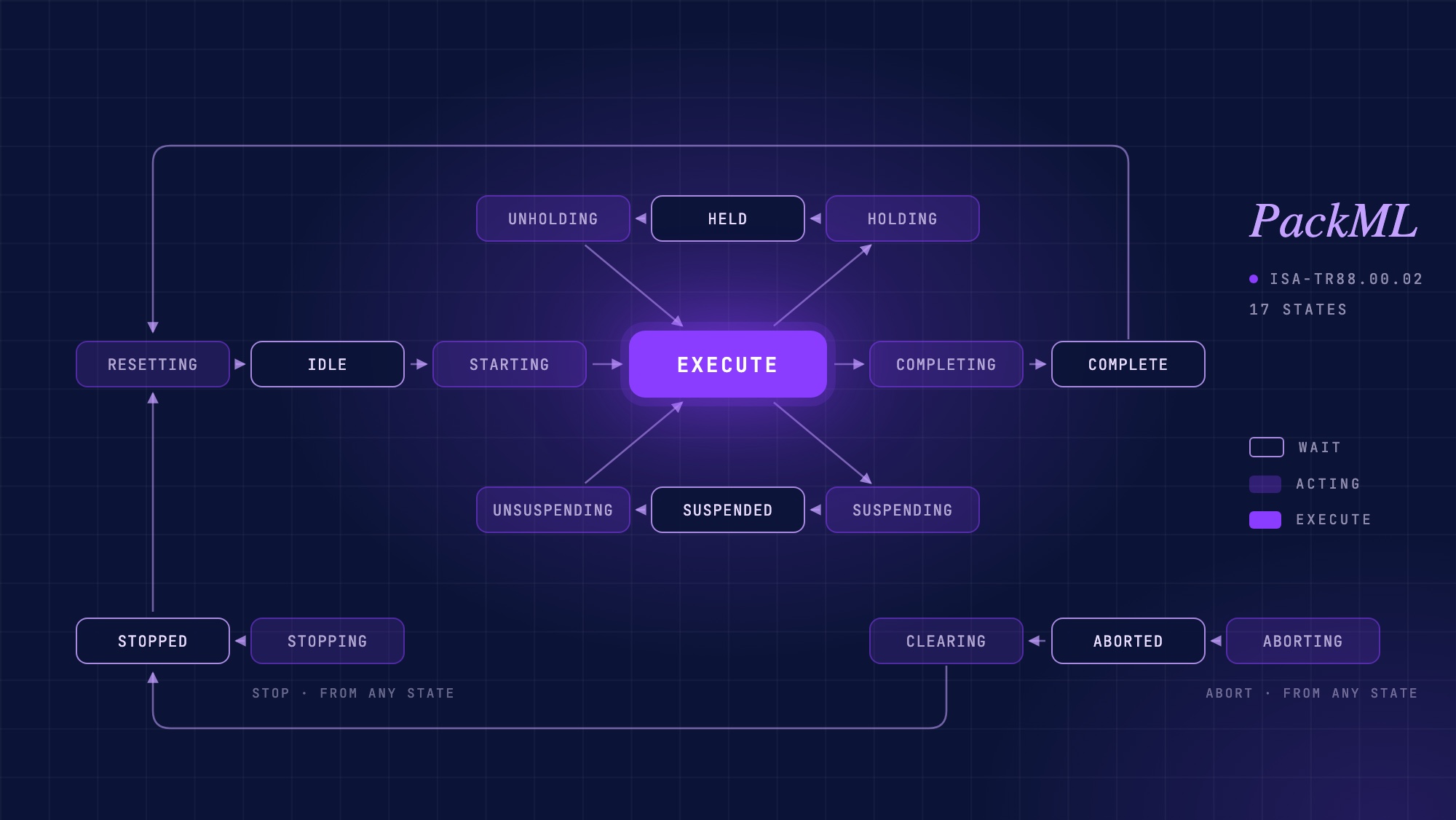
PackML explained: the state model, PackTags, and where AI fits
What PackML is, how the 17-state machine, modes and PackTags work, how to check whether a PLC project really follows it, and where AI helps.